
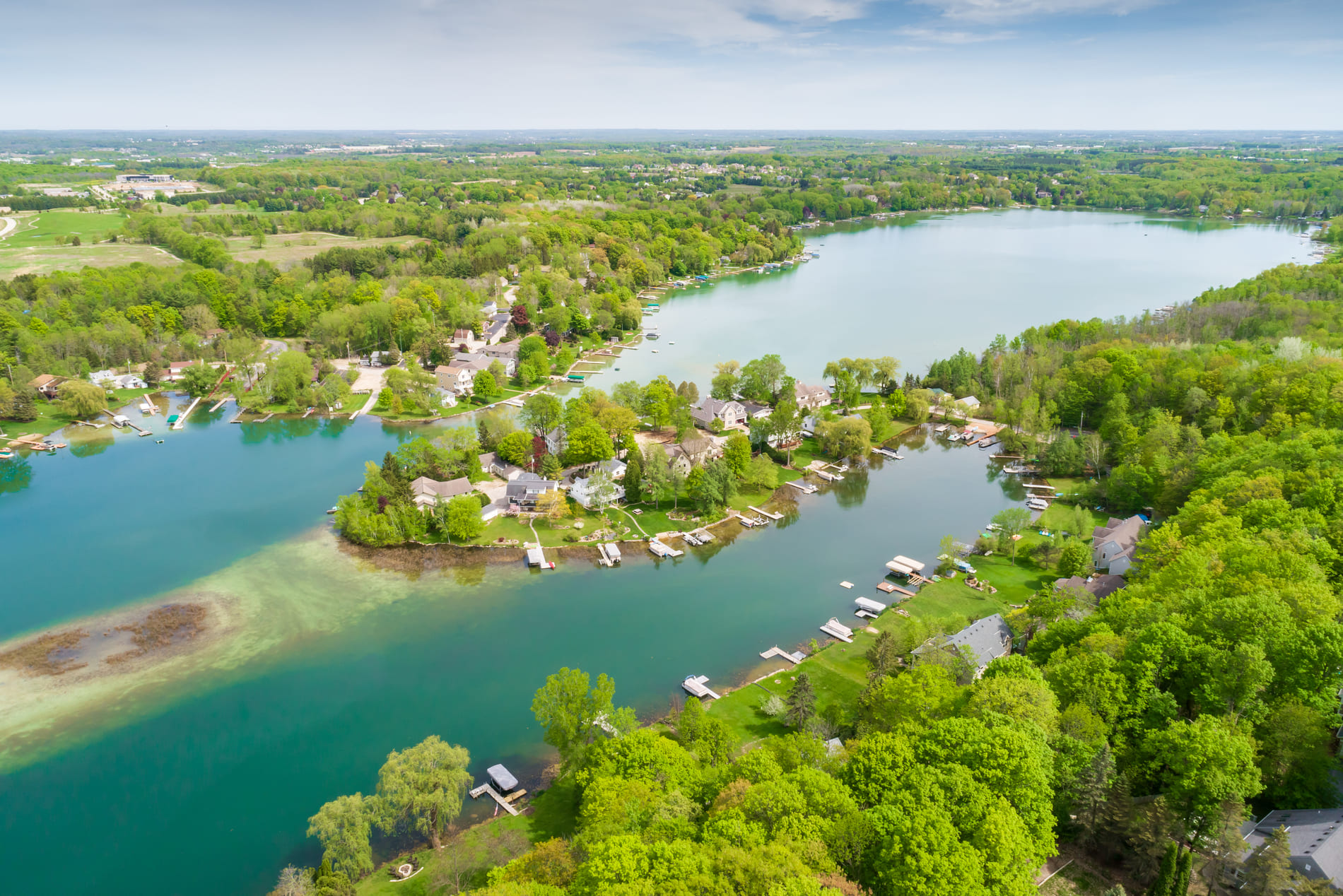
Buying a lakefront home in Wisconsin's Lake Country requires understanding riparian rights, shoreline zoning regulations, and the significant price differences between true lakefront and lake-access properties. Waukesha County contains over 50 lakes with distinct personalities, from high-activity waters like Pewaukee Lake to quieter retreats like Nashotah Lakes. Lakefront homes typically start around $700,000 and can exceed $3 million depending on the lake, frontage footage, and condition. Before you tour properties, you need to know what questions to ask and what documentation to request.
Key points covered in this guide:
-
The legal difference between lakefront ownership and lake-access rights in Wisconsin
-
Riparian rights and the ordinary high-water mark explained
-
Shoreline zoning regulations that affect what you can build or modify
-
How different Lake Country lakes compare for lifestyle and investment
-
Price differences between lakefront, deeded lake access, and lake-view properties
-
Due diligence checklist before making an offer
-
Seasonal timing considerations for purchasing
Understanding Wisconsin Lakefront Ownership
When you buy lakefront property in Waukesha County, you typically own land up to the ordinary high-water mark. The state of Wisconsin holds the lakebed below that line under public trust doctrine, meaning the water itself belongs to everyone. Your deed grants you riparian rights, which include access to the water, reasonable recreational use, and the ability to place certain structures like piers and docks if permitted.
This matters because it affects what you can actually do with your property. You can install a pier, but you need permits. You can stabilize your shoreline, but rip-rap and seawalls require DNR authorization. You can trim vegetation for a lake view, but shoreline zoning limits clear-cutting within 35 feet of the water.
We recommend requesting a current ALTA survey that shows the ordinary high-water mark, existing structures, and setback lines before making an offer. If the seller cannot provide one, factor the cost of obtaining a survey into your purchase decision. Surprises about where your property actually ends can be expensive to discover after closing.
Riparian Rights vs. Deeded Lake Access
Not all properties near lakes come with the same water rights. Understanding the distinction saves you from buying something that doesn't match your expectations.
True lakefront means your property directly touches the water and includes full riparian rights. You can build a pier, keep a boat at your own dock, and access the water from your property. These homes command premium prices because direct frontage is limited and demand stays consistent.
Deeded lake access means your property includes legal rights to use a shared access point, typically a community pier or boat launch. You can get on the water, but you're sharing that access with other property owners. These homes cost significantly less than true lakefront while still providing water recreation.
Lake-view or lake-adjacent means you can see the water but have no guaranteed access. Some of these properties may be within walking distance of public boat launches, but you have no private or shared rights. Prices reflect the view value rather than water access.
In Lake Country, the price gap between true lakefront and deeded access can run $200,000 to $500,000 or more depending on the lake. A four-bedroom home with 100 feet of Okauchee Lake frontage might list at $1.5 million, while a comparable home a few blocks inland with deeded access might list around $700,000. Both get you on the water, but the ownership experience differs significantly.
Shoreline Zoning Regulations in Waukesha County
Wisconsin shoreline zoning applies to all land within 1,000 feet of a lake's ordinary high-water mark. Even if you're separated from the water by other properties or roads, these regulations may affect what you can build or modify. Waukesha County enforces standards that include setbacks, impervious surface limits, and vegetative buffer requirements.
Key regulations to understand:
75-foot setback: Most structures must be located at least 75 feet from the ordinary high-water mark. Exceptions exist for established development patterns where neighboring homes are already closer to the water.
Vegetative buffers: Within 35 feet of the water, you can maintain an access and viewing corridor up to 35 feet wide for every 100 feet of shoreline frontage. Beyond that, you need to preserve natural vegetation.
Impervious surfaces: Standard parcels are limited to 15% impervious coverage. Exceeding this requires mitigation, which could include restoring natural buffers or removing structures closer to the water. Mitigation requirements run with the land, affecting future owners.
Building height: Structures within 75 feet of navigable water are limited to 35 feet in height.
If you're planning to renovate, expand, or add structures, verify compliance with both county zoning and DNR permit requirements before committing. A gorgeous lakefront lot with a teardown can become a challenging project if setback or mitigation requirements restrict your building envelope.
How Lake Country Lakes Compare
Waukesha County contains lakes with distinctly different personalities. The lake you choose shapes your daily experience as much as the house itself.
Pewaukee Lake covers nearly 2,500 acres and operates as Lake Country's largest and most active lake. Two public boat ramps mean heavy weekend traffic from recreational boaters. The village of Pewaukee sits directly on the water with restaurants, shops, and seasonal events. If you want an active lake social scene with plenty of neighbors out on the water, Pewaukee delivers. Lakefront homes here typically range from $800,000 to over $3 million.
Nagawicka Lake offers nearly 1,000 acres with excellent water clarity and 90-foot depths. The lake sits almost entirely within Delafield city limits, which means walkable access to downtown restaurants and shops from many lakefront properties. The Nagawicka Lake Yacht Club hosts sailing races throughout the season. Lakefront prices range from $700,000 to $2.5 million.
Okauchee Lake combines 1,200+ acres of recreational water with a village atmosphere right on the shoreline. Waterfront restaurants allow you to boat to dinner. The Okauchee Lake Yacht Club has operated since 1936 with nationally recognized racing fleets. The lake actually connects four bodies of water, creating varied shoreline experiences depending on location. Expect lakefront prices from $600,000 to over $2 million.
Lac La Belle provides a quieter alternative with approximately 1,100 acres shared between Oconomowoc and the Town of Oconomowoc. The lake supports sailing, fishing, and general recreation without the intensity of Pewaukee's public access traffic.
Smaller lakes like Nashotah Lakes, Beaver Lake, and North Lake offer more seclusion with trade-offs in public access, lake size, and resale liquidity. These can work well for buyers prioritizing privacy over activity.
We can help you identify which lake matches your priorities. Some buyers want to be in the middle of weekend activity. Others want to hear nothing but loons at sunset.
The True Cost of Lakefront Ownership
Beyond purchase price, lakefront homes carry ongoing costs that differ from standard residential properties.
Insurance: Flood insurance requirements depend on FEMA mapping. Some lakefront parcels sit within designated flood zones requiring coverage. Even outside flood zones, standard homeowners policies may require additional riders for water damage.
Property taxes: Lakefront status affects assessed value. Waukesha County assessments reflect the premium value of water frontage, which translates to higher annual tax bills compared to similar-sized homes inland.
Maintenance: Water and weather exposure creates maintenance demands. Shoreline stabilization, pier repair, seawall maintenance, and landscaping in the vegetative buffer zone all add to annual upkeep. Some buyers budget $5,000 to $15,000 annually for lakefront-specific maintenance depending on property size and shoreline features.
Pier and dock costs: Installing or replacing a pier requires permits and can cost $5,000 to $25,000 or more depending on design, materials, and whether you need a boatlift. Existing pier structures should be verified as permitted and compliant.
Association fees: Many lake communities have lake associations or homeowner associations that charge annual assessments for lake management, weed treatment, or shared amenities. These range from nominal amounts to several thousand dollars annually.
Due Diligence Before Making an Offer
Lakefront purchases require additional due diligence beyond standard home inspections. We recommend requesting or verifying the following before submitting an offer:
-
Current ALTA or boundary survey showing the ordinary high-water mark, shoreline structures, and setback lines
-
Full deed with any recorded easements, covenants, or plats affecting shoreline use
-
DNR Chapter 30 permit history for existing piers, boatlifts, seawalls, or shoreline modifications
-
Title report identifying any outstanding liens, shared access rights, or unrecorded claims
-
Records for past shoreline work including stabilization contracts and maintenance logs
-
Any past enforcement correspondence from DNR or county zoning
Ask the seller directly: Are riparian rights expressly included in the deed? Have there been any disputes over lakebed ownership or access? Which shoreline structures are present, and were permits obtained? Are they compliant with current regulations?
Seasonal Timing for Lakefront Purchases
Lake Country's real estate market follows seasonal patterns that affect both price and experience.
Summer showcases properties at their peak. You can see how the lake functions during busy weekends, assess boat traffic patterns, and experience the lifestyle you're buying into. Competition for listings runs higher, and sellers know buyers are motivated.
Winter offers less competition and potentially more negotiating room. However, you're buying based on imagination rather than experience. Ice fishing and snowmobiling appeal to some buyers, but you won't know how the property functions during swimming season.
Spring and fall provide middle-ground options. Shoulder seasons typically have moderate inventory and motivated buyers and sellers who missed peak season.
We typically recommend buyers at least visit the lake during summer months even if they plan to close in winter. Understanding what summer weekends look like on Pewaukee Lake versus Nashotah Lakes prevents surprises after you move in.
Explore Lake Country Lakes
Ready to start your search? Browse homes for sale on each of Lake Country's most popular lakes:
-
Pewaukee Lake - 2,493 acres, Lake Country's largest
-
Okauchee Lake - 1,210 acres, active yacht club
-
Nagawicka Lake - 981 acres, walkable to Delafield
-
Lac La Belle - 1,100 acres, quieter recreation
-
Pine Lake - Private lake community
-
Oconomowoc Lake - Exclusive, private lake
-
North Lake - Smaller, secluded option
-
Beaver Lake - Entry-level lakefront
-
Lake Keesus - Quiet, family-friendly
-
Nashotah Lakes - Upper and Lower Nashotah
-
Nemahbin Lakes - Upper and Lower Nemahbin
Or explore homes in Lake Country's most popular communities: Delafield, Oconomowoc, Hartland, Pewaukee, Brookfield, Chenequa, Nashotah, Merton, and Wales.
Frequently Asked Questions About Buying Lake Country Lakefront Property
What is the difference between lakefront and lake-access property?
Lakefront property directly touches the water and includes full riparian rights for pier installation, boat storage, and water access. Lake-access property includes deeded rights to use a shared access point like a community pier or boat launch. The price difference between these categories typically ranges from $200,000 to $500,000 or more in Waukesha County.
What are riparian rights in Wisconsin?
Riparian rights are the legal rights granted to property owners whose land directly touches navigable water. In Wisconsin, these rights include access to the water, reasonable recreational use, and the ability to place permitted structures like piers and docks. You own land to the ordinary high-water mark, but the lakebed below belongs to the state under public trust doctrine.
How much do lakefront homes cost in Lake Country?
Lakefront home prices vary significantly by lake and property characteristics. On major lakes like Pewaukee, Nagawicka, and Okauchee, lakefront homes typically range from $700,000 to $3 million or more. Smaller lakes may offer entry points around $500,000 to $700,000. Frontage footage, water depth, home condition, and pier amenities all affect pricing.
What regulations affect lakefront property in Waukesha County?
Shoreline zoning regulations in Waukesha County include a 75-foot building setback from the ordinary high-water mark, 15% impervious surface limits, vegetative buffer requirements within 35 feet of the water, and 35-foot building height restrictions near the shoreline. DNR Chapter 30 permits are required for piers, docks, seawalls, and shoreline modifications.
Should I buy lakefront property in winter or summer?
Summer purchases let you experience the property during peak season but face more competition and less negotiating room. Winter purchases may offer better pricing and less competition, but you're buying based on imagination rather than experience. We recommend visiting during summer months regardless of when you plan to close.
Posted by JJ Hausmann Team on
Enjoy this blog post? Click here to subscribe for updates
Leave A Comment